Text Patricia Späth ––– Photography
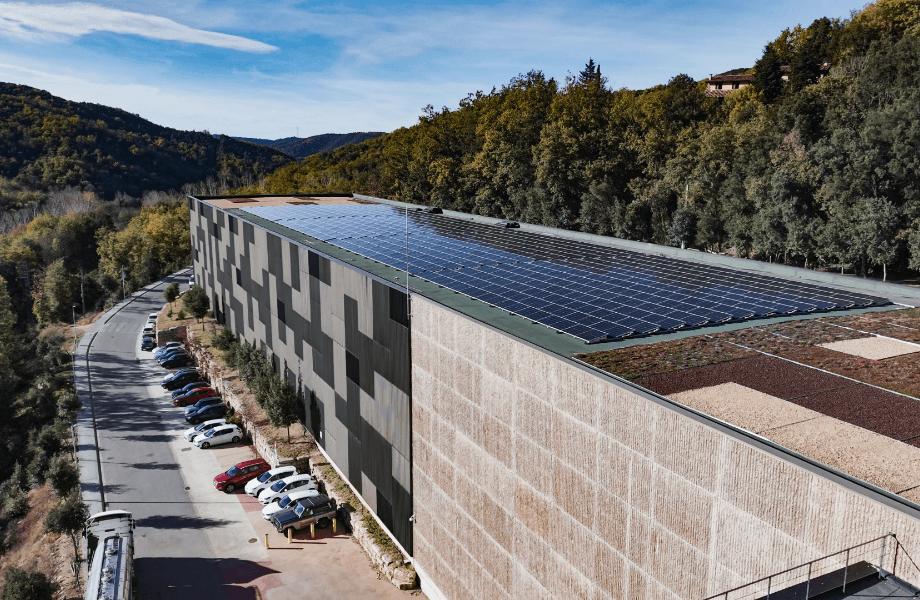
Hardly any other vehicles pass us on the final stretch of our journey to Liquats Vegetals. With trees everywhere you look, the surrounding forest in the Montseny region appears to be well worth exploring. However, we have an appointment with Tasio Corachan, Process and Continuous Improvement Manager at Liquats Vegetals. His mission is to continuously improve production processes, without losing sight of sustainability. The beverage manufacturer is keen to minimise its environmental impact in terms of emissions, waste and resource consumption. Rooftop photovoltaic installations supply the electricity for production operations. The company also ensures the products themselves are entirely environmentally friendly. The packaging for the plant-based milk drinks has a sustainable design and is made from a combination of recycled materials and renewable raw materials. “Besides sustainability, we also focus on the health of our customers. It would be catastrophic if our products were to be contaminated. When selecting the components we use in the production process, we therefore pay very close attention to their quality,” says Corachan.
A CLEAN BUSINESS
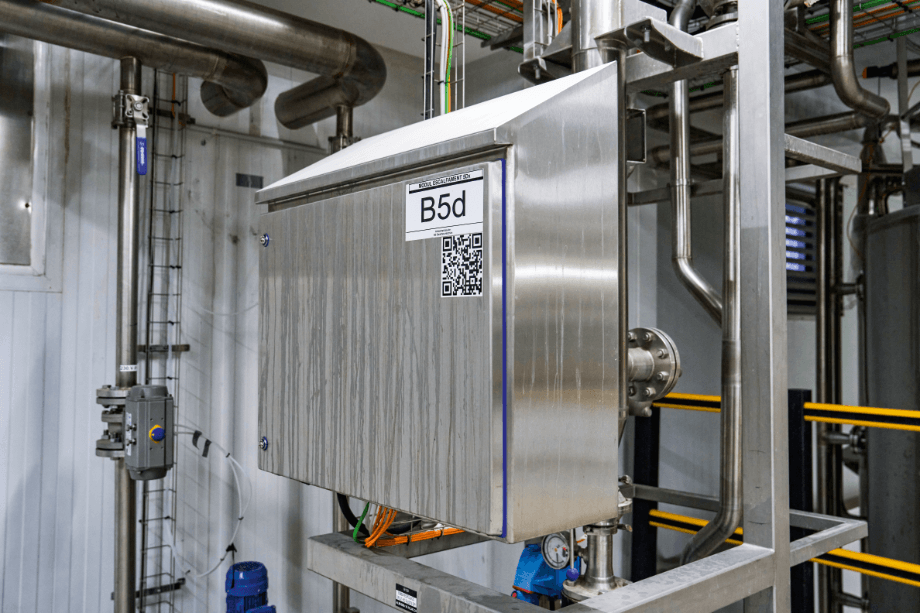
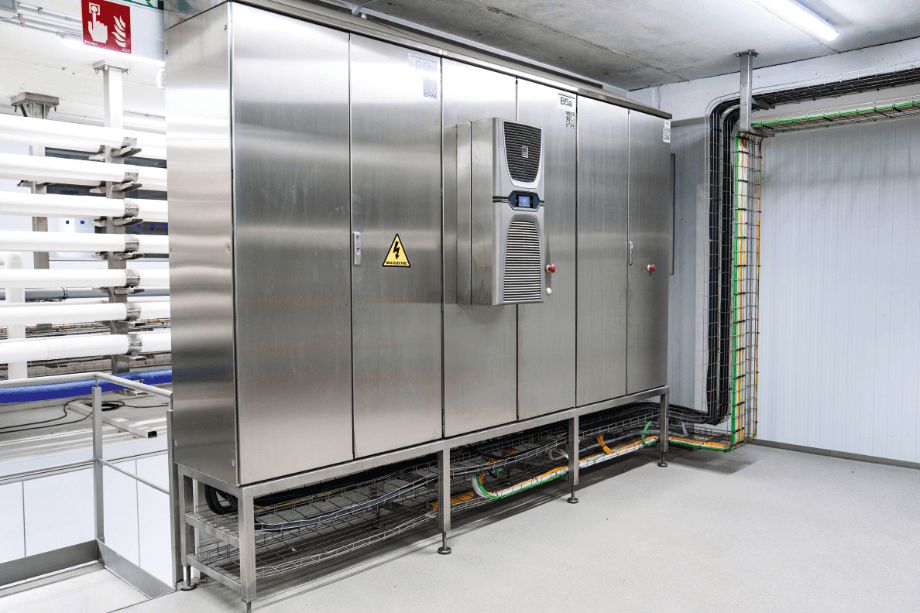
Besides ensuring uninterrupted production processes by protecting sensitive control technology, for example, equipment and components, such as enclosures, must also meet the highest hygiene standards. “When developing production methods, we follow the quality standards of the European Hygienic Engineering & Design Group (EHEDG). We decided some years ago that the components used in production – such as enclosures and cooling units – must meet EHEDG standards, and that’s why we use Rittal products,” Corachan explains. Consequently, the production equipment at Liquats includes a large number of Rittal HD stainless steel enclosures and housings that have been developed specifically for the food and beverage industry and ensure short cleaning cycles. Rounded edges and the absence of any gaps or “dead spaces” minimise the accumulation of dust and dirt – and therefore the risk of contamination. The sloping roof with a pitch of 30 degrees ensures the cleaning agents that are used run off quickly without leaving any residues. Depending on their design, the enclosures have protection categories of up to IP 69, meaning they keep out dust and liquids. What’s more, all external parts are made entirely of stainless steel and FDA-compliant silicone which makes them highly resistant to chemicals, cleaning agents and disinfectants. Thanks to the roof projection with its drip edge, substances such as water are guided away from the enclosures safely and the upper area of the door seal is protected. Internal hinges make for a very easy-to-clean design, with an all-round external jointfree silicone door seal that is resistant to cleaning agents. The blue colour of the HD seal means any residues on it are immediately visible.
HYGIENIC AND SUSTAINABLE
“The sustainability of industrial equipment is also a priority for Liquats,” emphasises Corachan. “We need to be able to rely on the quality of the components in our production equipment over a period of many years. We can’t just replace the enclosures housing our control technology after a few years. For one thing, it would interrupt our production processes. For another, it would go completely against our sustainability strategy. That’s why we use enclosure solutions from Rittal. Even after many years, they’re still in tip-top condition,” he adds.
EFFICIENT AND FAIL-SAFE COOLING
“We’re obviously aware that all our production equipment needs to withstand being sprayed with water during cleaning,” continues Corachan. “We also get the cooling units we need from Rittal and make energy savings in the process,” he reveals. Boasting unique hybrid technology, cooling units from the Blue e+ series achieve energy savings of around 75 percent compared with conventional solutions. The cooling units are monitored via the Rittal IoT interface, which continuously communicates all their operating and status data. Malfunctions are detected early on, and the risk of downtime is minimised.
MAINTAINING AN OVERVIEW
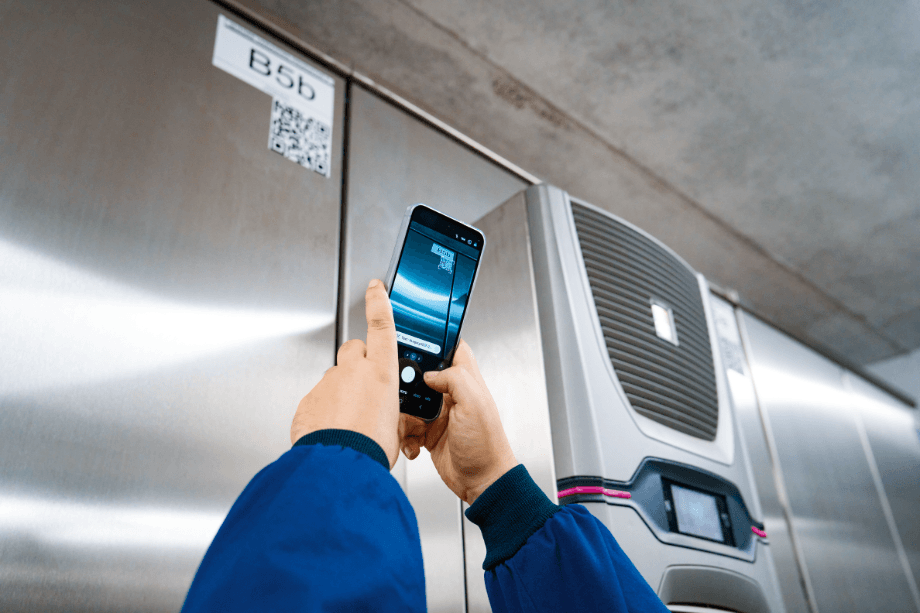
What drives Corachan in his day-to-day work is thinking about where production processes can be made even better. Eplan and Rittal helped with the latest improvement. Thanks to Rittal ePocket, the engineers at Liquats Vegetals now have a standardised data storage. The digital enclosure pocket ensures the latest versions of all machine and equipment documentation are always available whenever they are needed. “Ever since we introduced ePocket, our electricians have been able to record changes in the enclosure digitally, and we then approve these in Eplan. That means our industrial equipment is always up to date, and we’ve also waved goodbye to the hefty folders with circuit diagrams from our production department,” Corachan reveals.
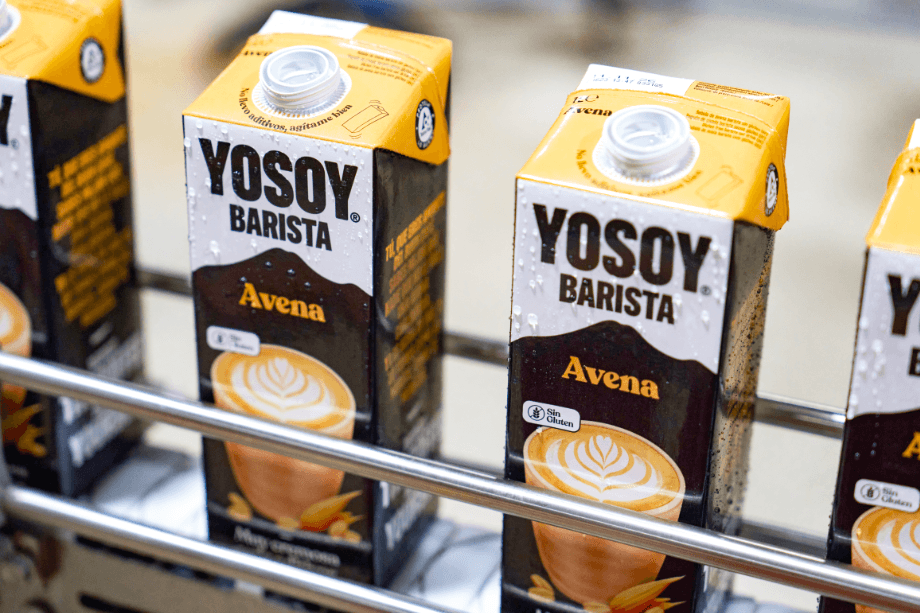
He lets his gaze wander over the production equipment and is happy with what he sees. TetraPak packaging is rolling off the production line. Lorries are already waiting to take the drinks to the nearest supermarket. “When I went on holiday to Bali not so long ago, I even saw our products in the supermarket there,” says the young project manager with a smile. He already has a new idea for improving the production processes.