Eplan and Rittal Automation Systems
Next level for
speed makers
Competitive pressure is high in China, and price often determines the outcome.
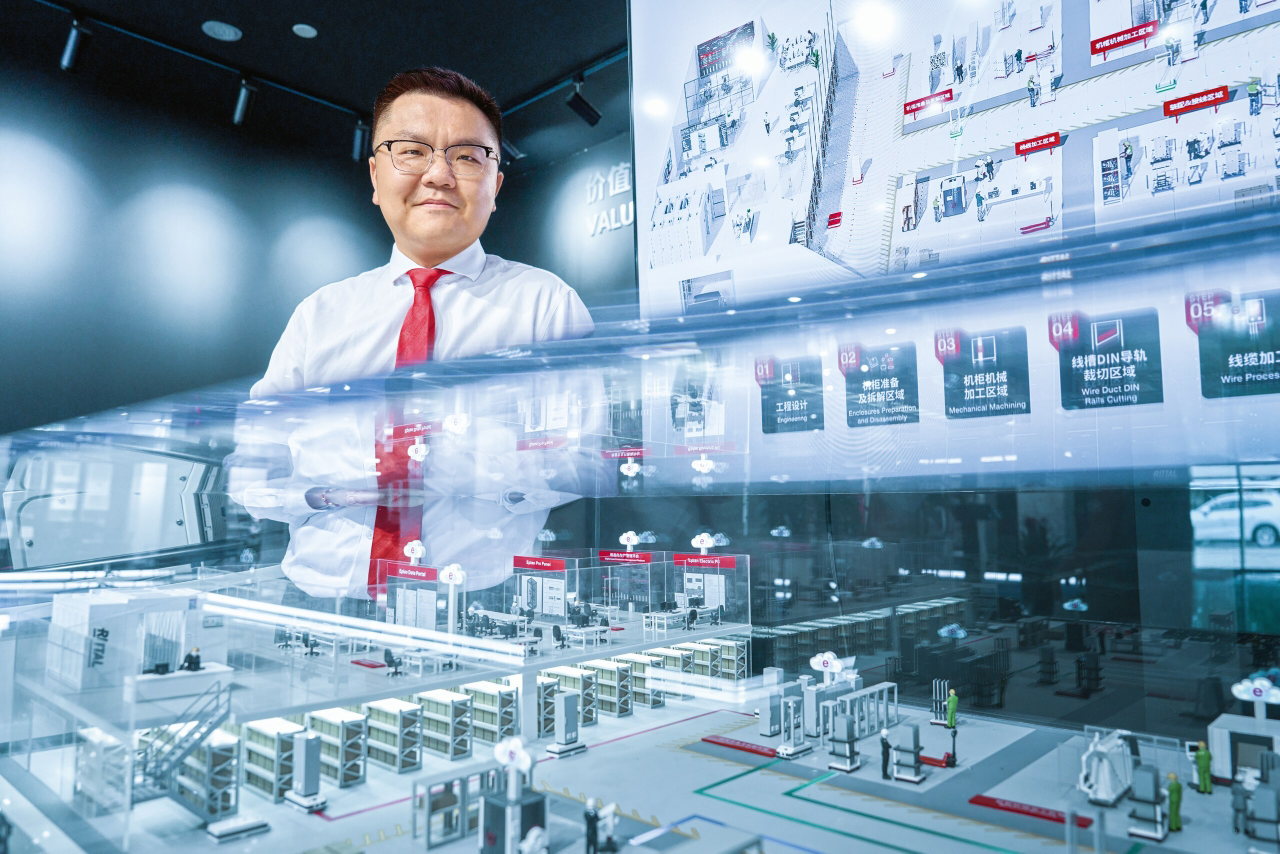
That makes one development observed by Bosco Peng, Director Business Unit Industry at Rittal China, all the more remarkable.
According to Peng, more and more companies now think in terms of end-to-end processes rather than individual products. In the past, Rittal sold individual machines. “Today, we talk with customers about their entire value chain,” he says. That is the result of years of development work. When Rittal Automation Systems began systematically developing the Chinese market around eight years ago, many customers first had to understand the value offered by automated wire processing or enclosure machining. Today, the discussion has shifted, Peng continues. The focus is no longer only on the machine, but on how engineering, data, and manufacturing interact seamlessly in the value-creation process of panel builders and switchgear manufacturers.
What creates added value
This is exactly where the solutions from Eplan, Rittal, and Rittal Automation Systems come in. They connect the digital twin from engineering with modular enclosure systems and automated manufacturing processes. For Peng, this approach is based on three stages — standardization, automation, and digitalization. Only the interaction of all three creates genuine added value.
What is particularly interesting is that this approach is gaining importance precisely in China’s price-sensitive market. Successful companies are increasingly taking a holistic view of investments. “They assess not only acquisition costs, but also productivity, process reliability, and long-term competitiveness,” he explains.
Chinese manufacturers face the challenge of meeting international standards while also becoming faster. The combination of solutions helps them standardize processes, reduce errors, and use data consistently end to end.
For Peng, the biggest opportunity is therefore clear. It does not lie in selling individual products. It lies in making the entire value chain smarter. Because even in China, price alone does not ultimately determine the outcome.
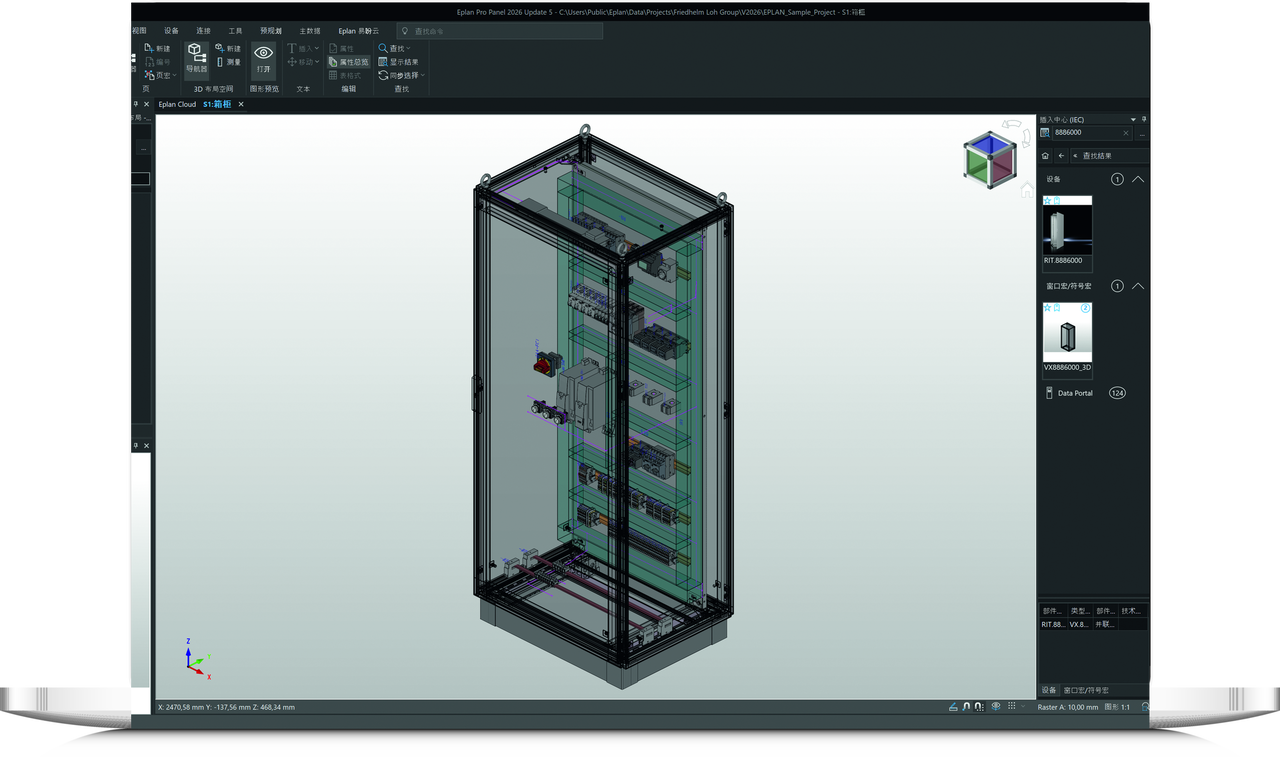
Digital twin: Eplan Pro Panel reduces engineering effort, prevents manufacturing errors, and accelerates production.
Rittal Automation Systems
Standardized, automated, digitalized
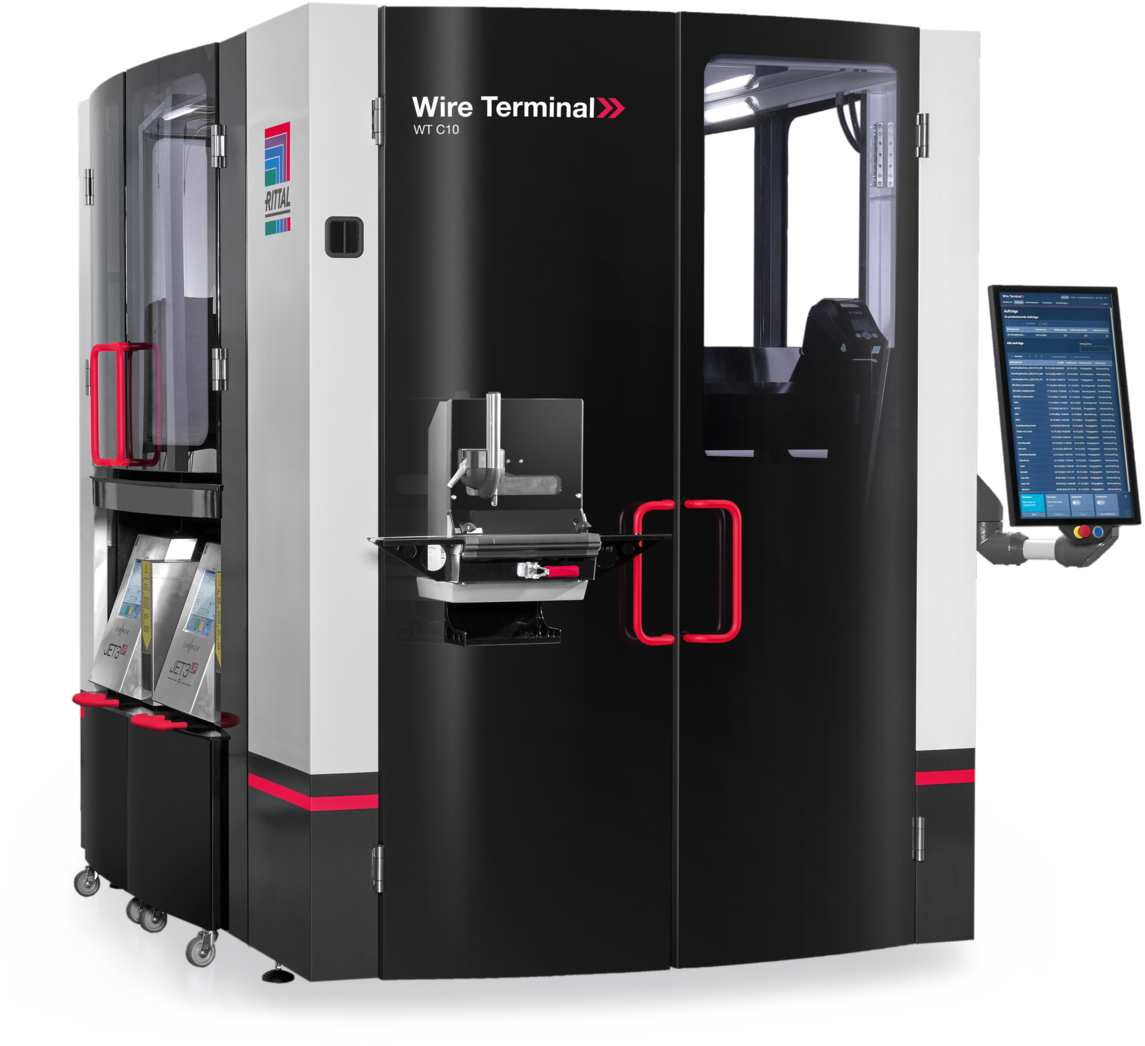
The Wire Terminal WT L enables fully automated wire processing.
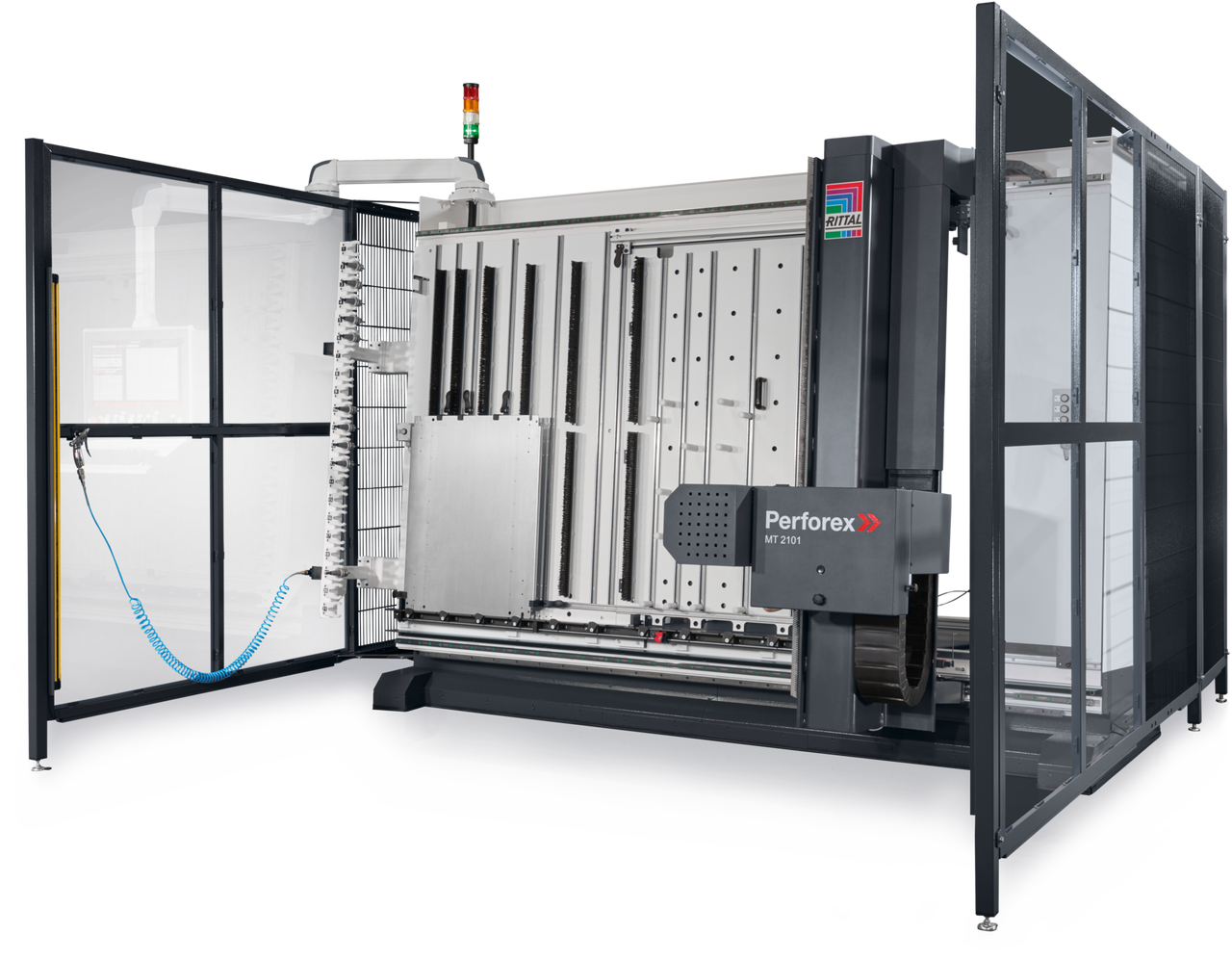
The Perforex Milling Terminal MT S is a high-performance drilling and milling center ideally suited for machining compact and large enclosure systems.
“China Speed needs end-to-end processes!”

Bill Qin
Managing Director, Eplan China
Standardized data is a must
Bill Qin, Managing Director of Eplan China, also believes the Chinese market is undergoing a radical transformation. “Rather than still asking themselves whether they need to digitalize, many companies are now trying to work out how quickly they can make their data usable on an end-to-end basis,” he comments. In his view, the need for standardized engineering data is growing. At the same time, more and more companies have to meet international standards and network development sites on a cross-border basis. Eplan is helping them to standardize engineering processes and create a digital twin for systems.
As Qin sees it, competitive advantages are generated when information flows seamlessly throughout the entire process. “High-quality engineering data then becomes a key resource for industrial value creation,” he explains.

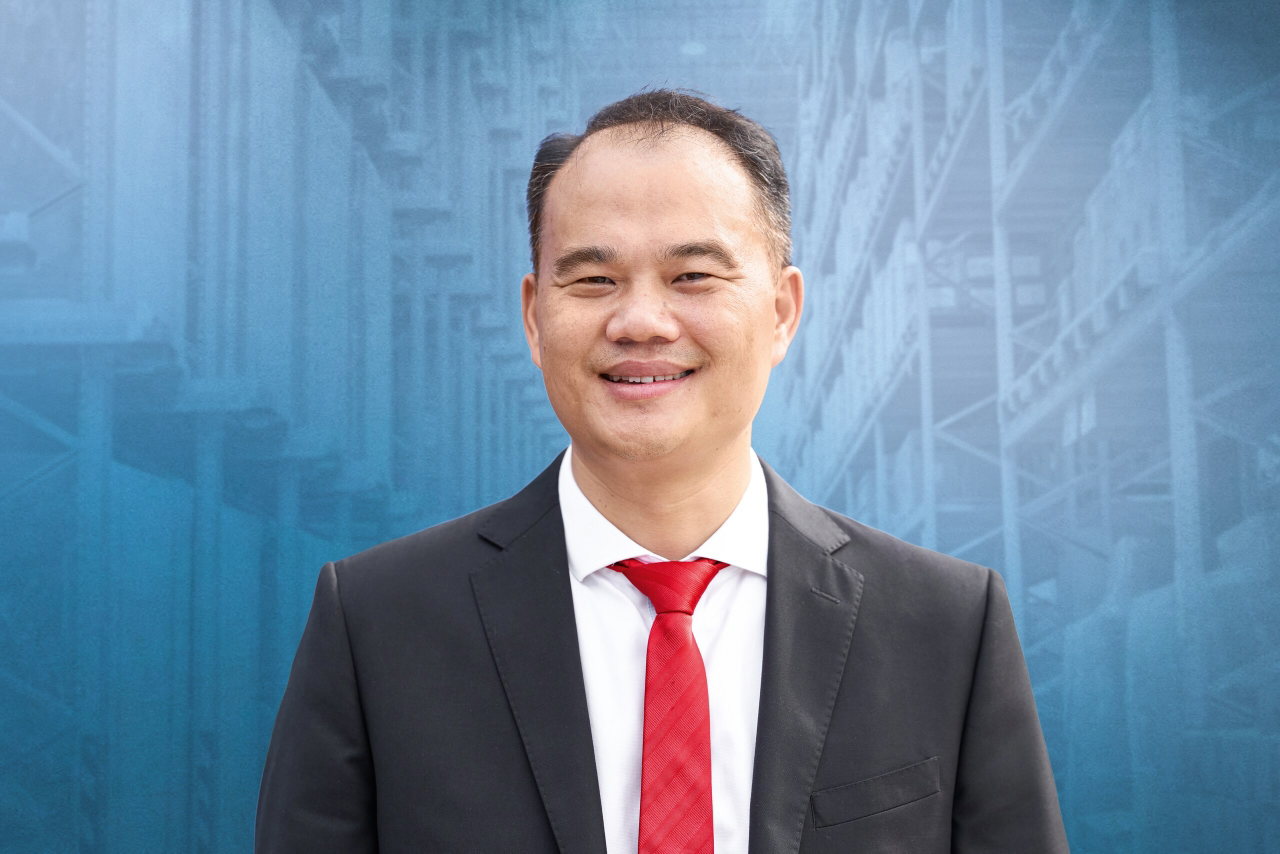
Bill Qin, Managing Director, Eplan China
Next article
Interview · Justin Yao
Interview with Justin Yao on supply chains, resilience, and the 48-hour delivery promise in China.

Friedhelm Loh Stiftung & Co. KG · Rudolf-Loh-Straße 1 · 35708 Haiger · Germany · betop@friedhelm-loh-group.com

© Friedhelm Loh Group 2026 · be top – Magazine of the Friedhelm Loh Group