Interview · Justin Yao
Between
megacities
and bottlenecks
Supply chains are under pressure.
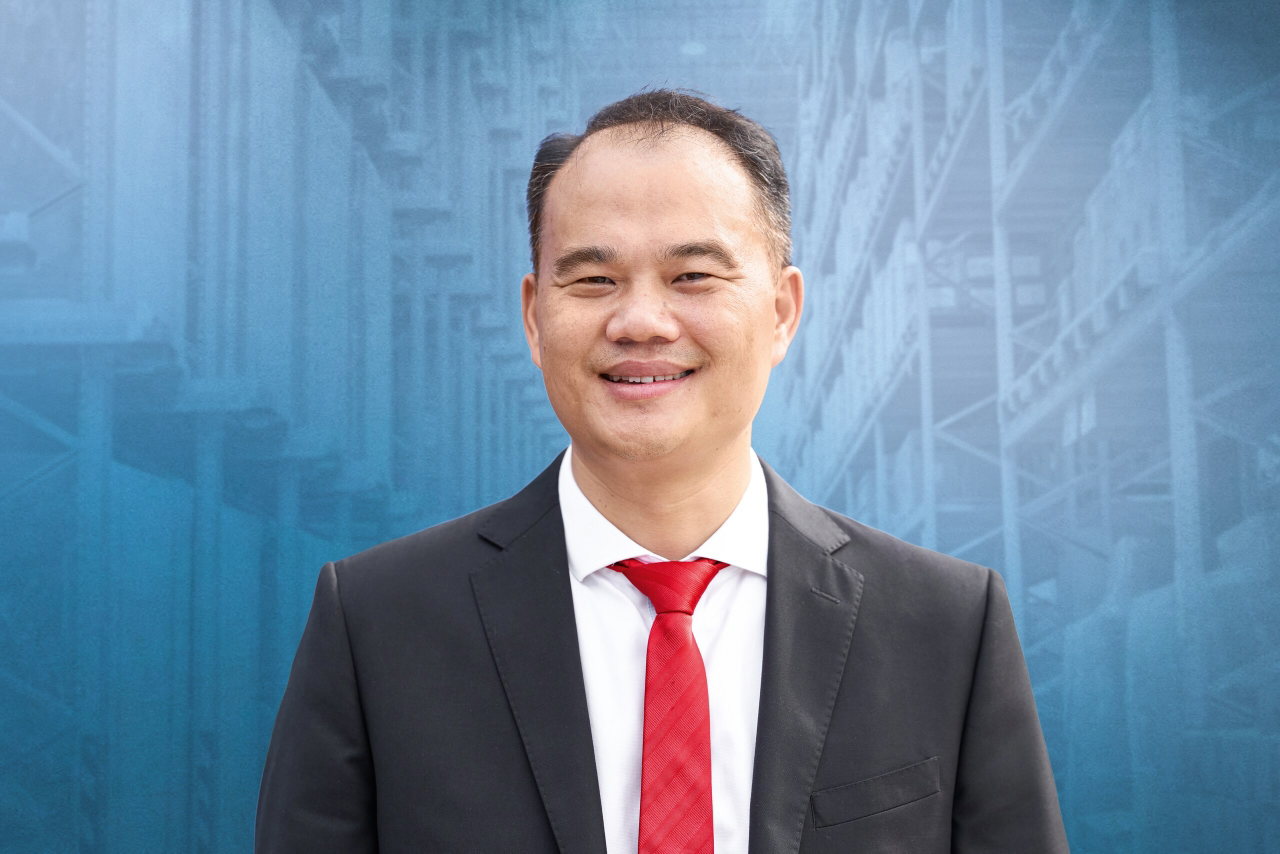
Even in China, one of the world’s most dynamic and largest economic regions. How can Rittal meet the high expectations of its Chinese customers? We ask Justin Yao, who is responsible for supply chain management at Rittal in China and at 13 Asian subsidiaries.
Mr. Yao, when do Chinese customers actually notice whether a supply chain really works?
Whenever things get difficult. In China, markets are highly dynamic, project cycles are short, and expectations as regards delivery times are high. Customers judge us by whether we keep to our commitments. That is exactly when the true performance of a supply chain becomes visible.
China was long considered the workshop of the world. How has this role changed?
Today, China is far more than a manufacturing location. The country has become a center of innovation, digitalization, and excellence. From an Asian perspective, China has a highly developed industrial ecosystem, strong suppliers, and enormous execution power. China no longer just produces for the world — it is shaping the future of modern supply chains.
At the same time, global economic relationships are changing. What impact does that have?
Complexity has increased significantly. In the past, cost was often the main focus. Today, supply security, risk management, transparency, and regional responsiveness are also essential. Customers want to know where products come from, how stable supply chains are, and how companies address potential risks. For supply chain leaders, that means evaluating scenarios, preparing alternatives, and thinking much further ahead than just a few years ago. Risk prevention is now just as important as increasing efficiency.
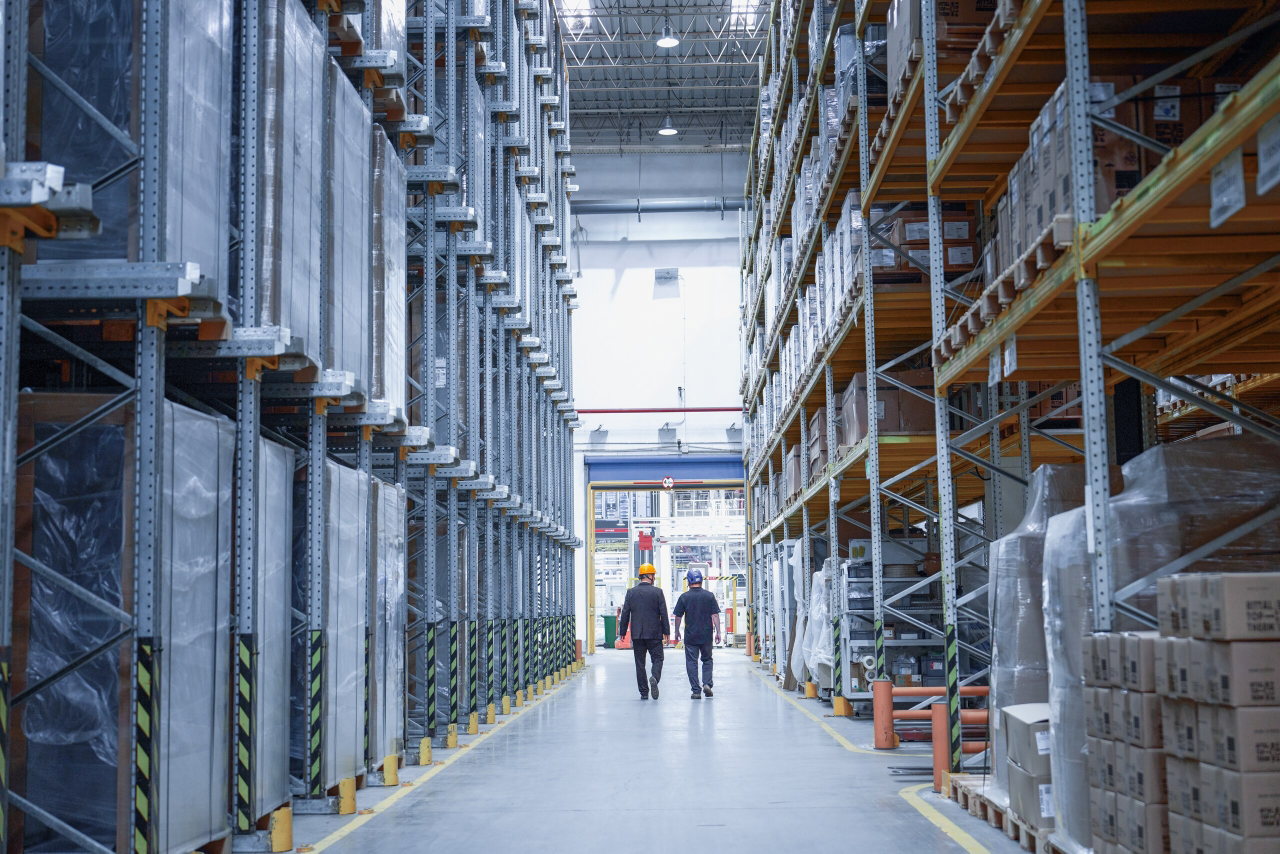
The five Rittal distribution centers in China provide a total of 25,000 m² of warehouse space.
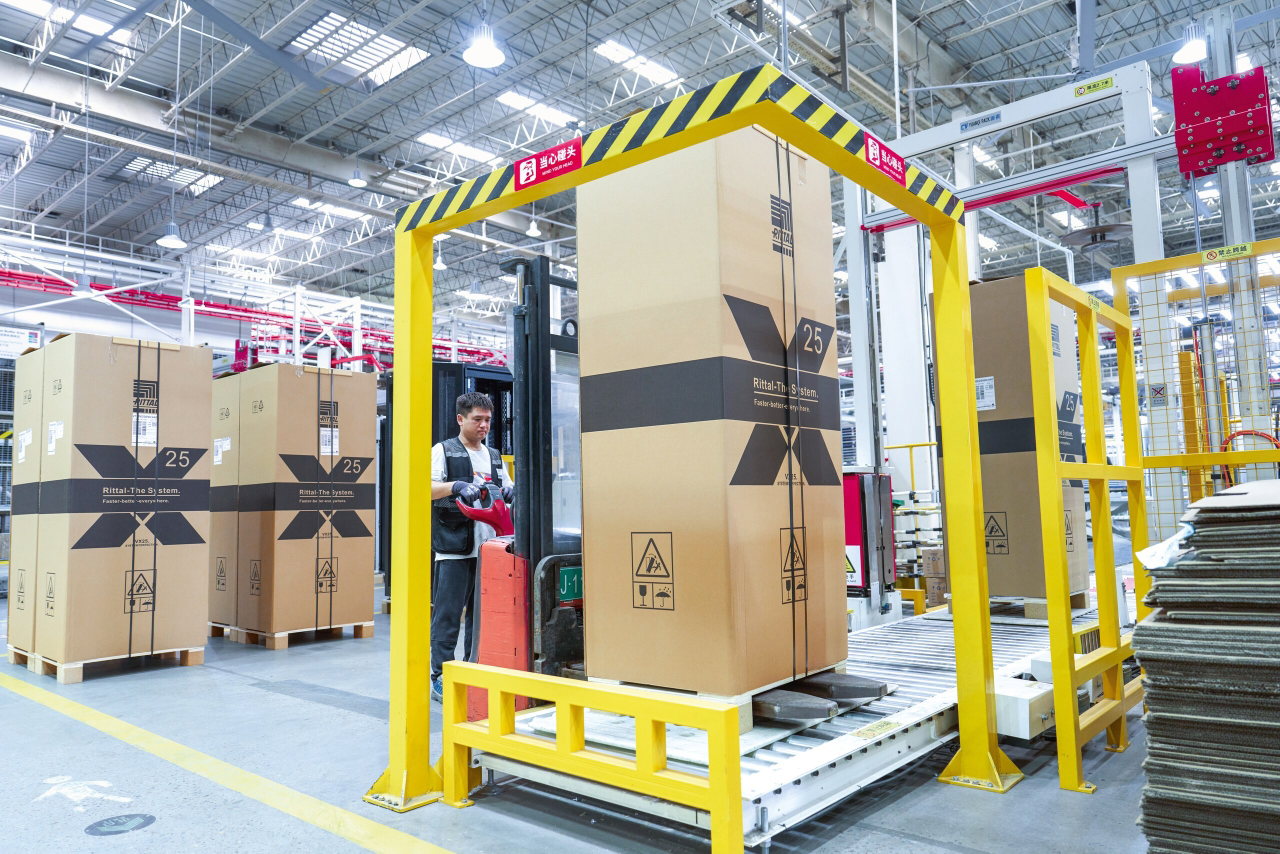
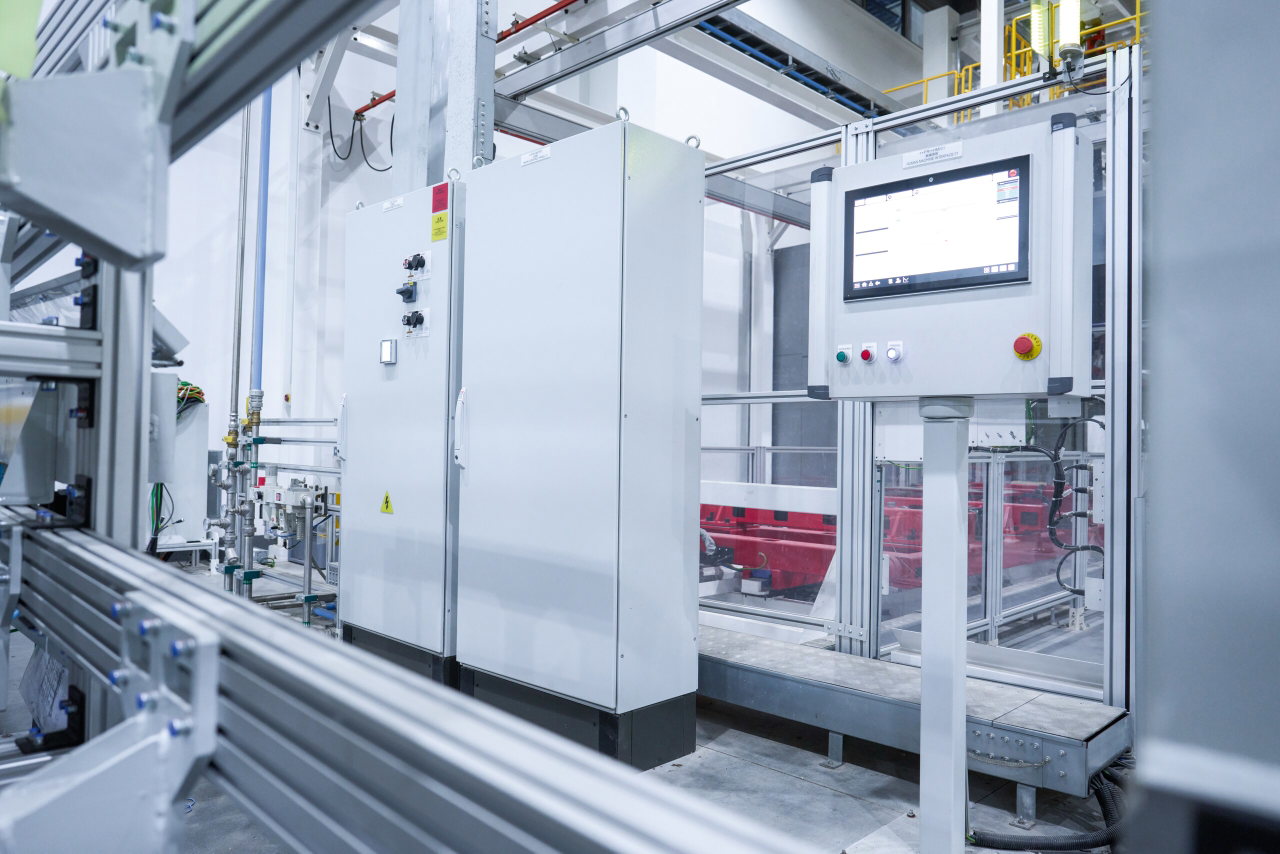
The new enclosure for China: The VX25 is manufactured at the Shanghai plant on state-of-the-art production lines, and shipped from there, too.
Logistics in China
Five centers, one promise
Delivery promise
hours
Delivery promise for standard products in sales territories within a 400-kilometer radius of the five Rittal distribution centers
Changchun
distribution center
Tianjin
distribution center
Rittal Shanghai logistic hub
distribution center
Chengdu
distribution center
Dongguan
distribution center
How does this work in practice?
Only with balance. The past few years have shown that the lowest costs are not always the best solution. We need sufficient inventory, but not excess inventory. We need speed, but also stability. We need standards, while remaining flexible enough to meet regional requirements. The goal is consistently high performance under constantly changing conditions.
Where do you currently see the greatest risks in global supply chains?
The greatest challenge is uncertainty. Markets are changing faster than ever before, while supply networks are becoming increasingly complex. That is why transparency, fast decision-making, and responsiveness are becoming decisive competitive advantages. Success is no longer measured by cost alone, but by how well companies can deal with uncertainty.
Was there a situation that put the Rittal supply chain under particular pressure?
Definitely the COVID pandemic. In Asia, countries were affected by restrictions, logistics problems, and demand fluctuations at different times. The most important lesson was that resilience does not come from inventory alone. It comes from collaboration. Close coordination among suppliers, planners, plants, customers, and logistics and sales teams helped us maintain our delivery capability even under extremely difficult conditions.
How do you ensure short delivery times in China, the world’s third-largest country?
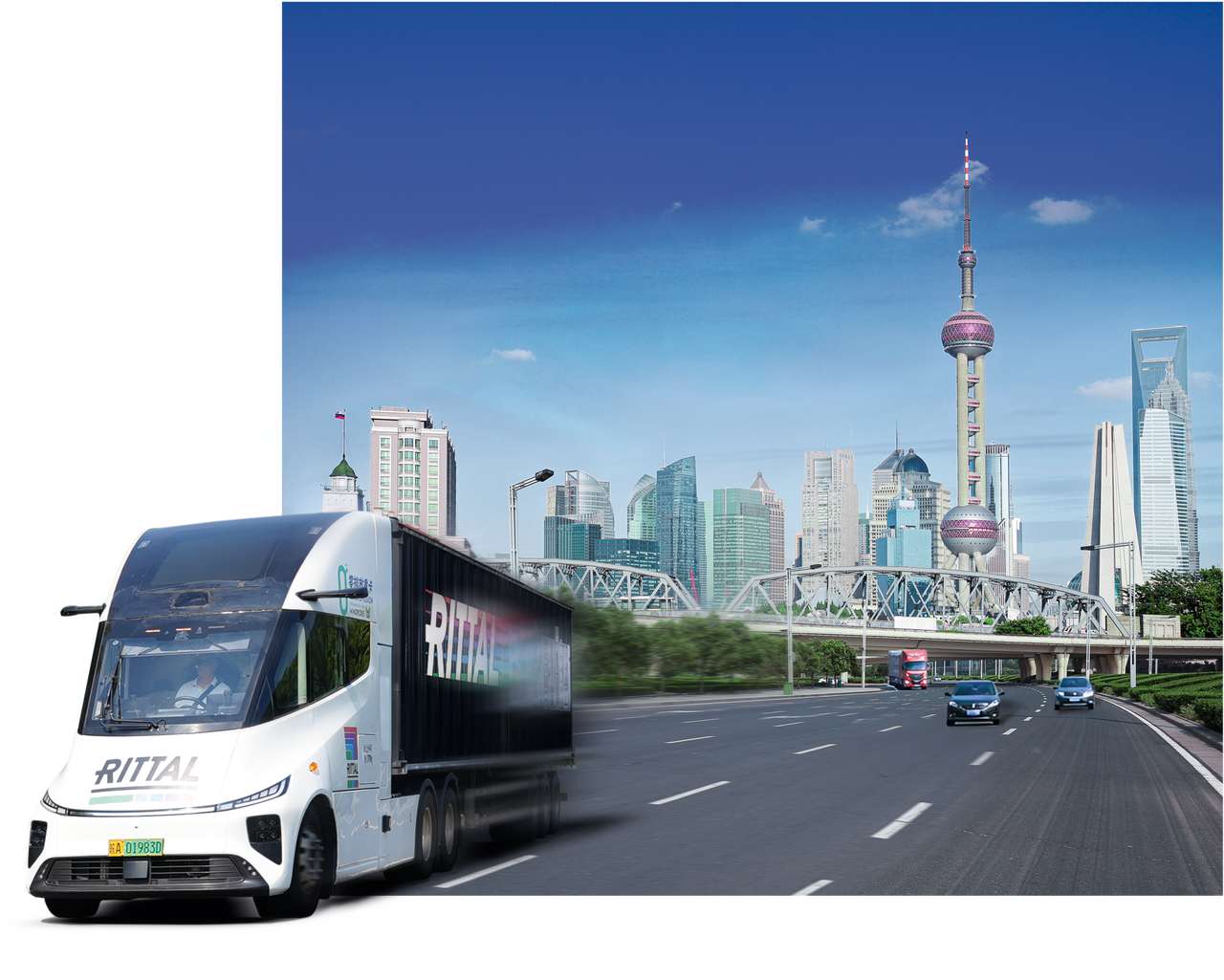
We offer our customers a 48-hour delivery promise for standard products. It applies in defined sales territories within a 400-kilometer radius of the centrally located Rittal distribution centers in the economic hubs of Shanghai, Tianjin, Huizhou, Changchun, and Chengdu. A new logistics management system, optimized transportation networks, improved product storage and distribution, and standardized operating procedures give our customers faster response capabilities.
Next article
Guangzhou MINO
MINO between robot automation and global customers.

Friedhelm Loh Stiftung & Co. KG · Rudolf-Loh-Straße 1 · 35708 Haiger · Germany · betop@friedhelm-loh-group.com

© Friedhelm Loh Group 2026 · be top – Magazine of the Friedhelm Loh Group