
Innovations · Digitalization
Keep Cool
with AI
AI is a highly topical issue, but what specific added value does it bring to everyday industrial environments?
The new management report by Cideon pushes the discussion in the direction of industrial reality and makes some recommendations for action. In this interview, Managing Director Rolf Lisse explains why companies are currently well advised to “keep a cool head”.
Interview: Dr. Bernhard D. Valnion (d1g1tal agenda)
Interview
Mr. Lisse, what prompted Cideon to publish its management report?
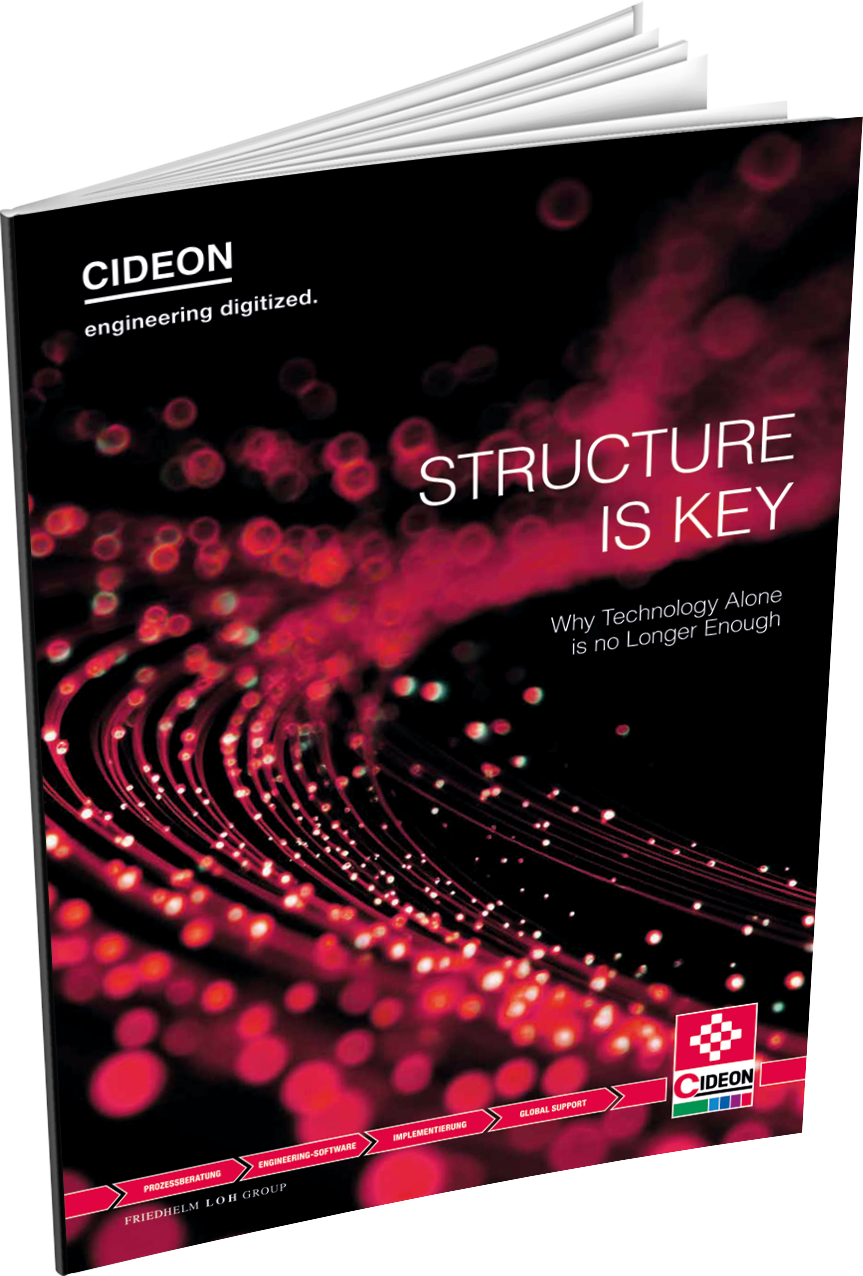
At the moment, all discussions seem to center around the “AI-driven” concept. Currently, however, many statements tend to be the result of rule-based analytical approaches rather than AI systems that are actually learning. So, as we see it, there’s a crucial question — what specific added value does AI bring to everyday industrial environments? The purpose of the management report is to get our target group thinking about this issue in more detail.
At Cideon, core business activities include developing and rolling out data management systems for engineering. Will you also be offering AI solutions yourselves?
It has become clear to us that it’s primarily companies such as Microsoft, SAP, and Amazon that have the necessary power to develop AI. We have no such aspirations, but we’re obviously watching very closely to see what useful applications are developed in the industrial environment.
Take manual inspection, comparison, and coordination processes, for example, which are often based on lists or Excel data — these are exactly the areas where we can envisage possible practical uses for assistance functions. That can be rule-based or AI-driven. Our focus is therefore on intelligently using and linking engineering data relating to all aspects of the CAD modeling process.
“Companies should target areas where AI can generate tangible added value and deliver quick wins.”
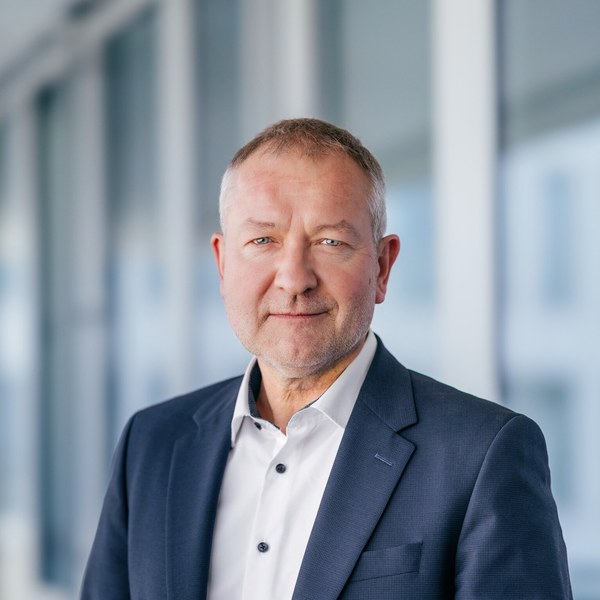
Rolf Lisse
Managing Director, Cideon
Interview
So what’s the difference between AI and automation?
When we talk about “design automation”, we mean using specific attributes to shape 3D models. 3D properties are linked together by applying certain rules. We do that with Cideon Conify, our product configuration solution. We consider this to be a conventional automation approach — it’s not yet an AI application in the true sense. With Conify, another aspect is that our PDM approach to the components generated in this way ensures certain parts can be reused. That offers specific added value in terms of efficiency and standardization in engineering.
How does this concept fit into the image of the digital twin?
Of course, we’re already familiar with the digital twin from the worlds of mechanical engineering and electrical design. What’s more, we have the option of using our PDM system to manage the automation digital twin to a certain extent, though not with the current firmware versions of the individual automation components. Nor does this management extend to the digital twin that’s generated in production. Instead, our focus is much more on consistent management of engineering data across various domains of development — and thus on an important foundation for future data-driven services in the context of digital business models.
What support does Cideon offer for data spaces, such as those in the concept being pursued by the Manufacturing-X initiative?
Issues relating to data spaces and standardization are, by their very nature, complex. Even so, we believe they need to be addressed. In the future, standardized data spaces will play an important role, especially in relation to issues such as cybersecurity, traceability, and digital services. That’s why we’re also working hard to establish how information from the Asset Administration Shell (AAS) can be linked with existing PDM and engineering data and used in processes in the future. Eplan is currently using its Product Change Notification solution to drive progress accordingly from an electrical design perspective.
Engineering in Motion
June 15–16, 2027, Nationales Automuseum, Dietzhölztal-Ewersbach

Next article
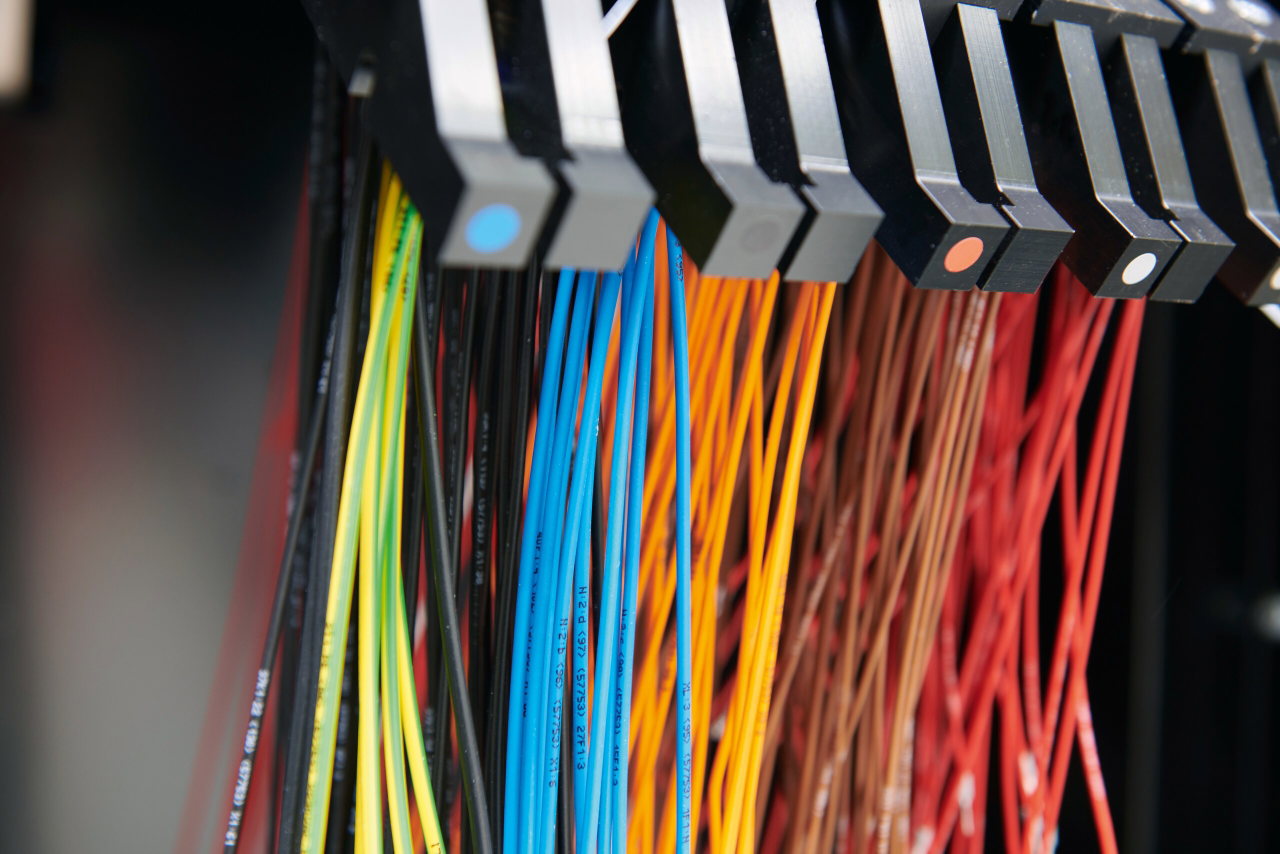
Wire processing
The Rittal Wire Terminal WT L opens up new possibilities for smaller companies, too.

Friedhelm Loh Stiftung & Co. KG · Rudolf-Loh-Straße 1 · 35708 Haiger · Germany · betop@friedhelm-loh-group.com

© Friedhelm Loh Group 2026 · be top – Magazine of the Friedhelm Loh Group